
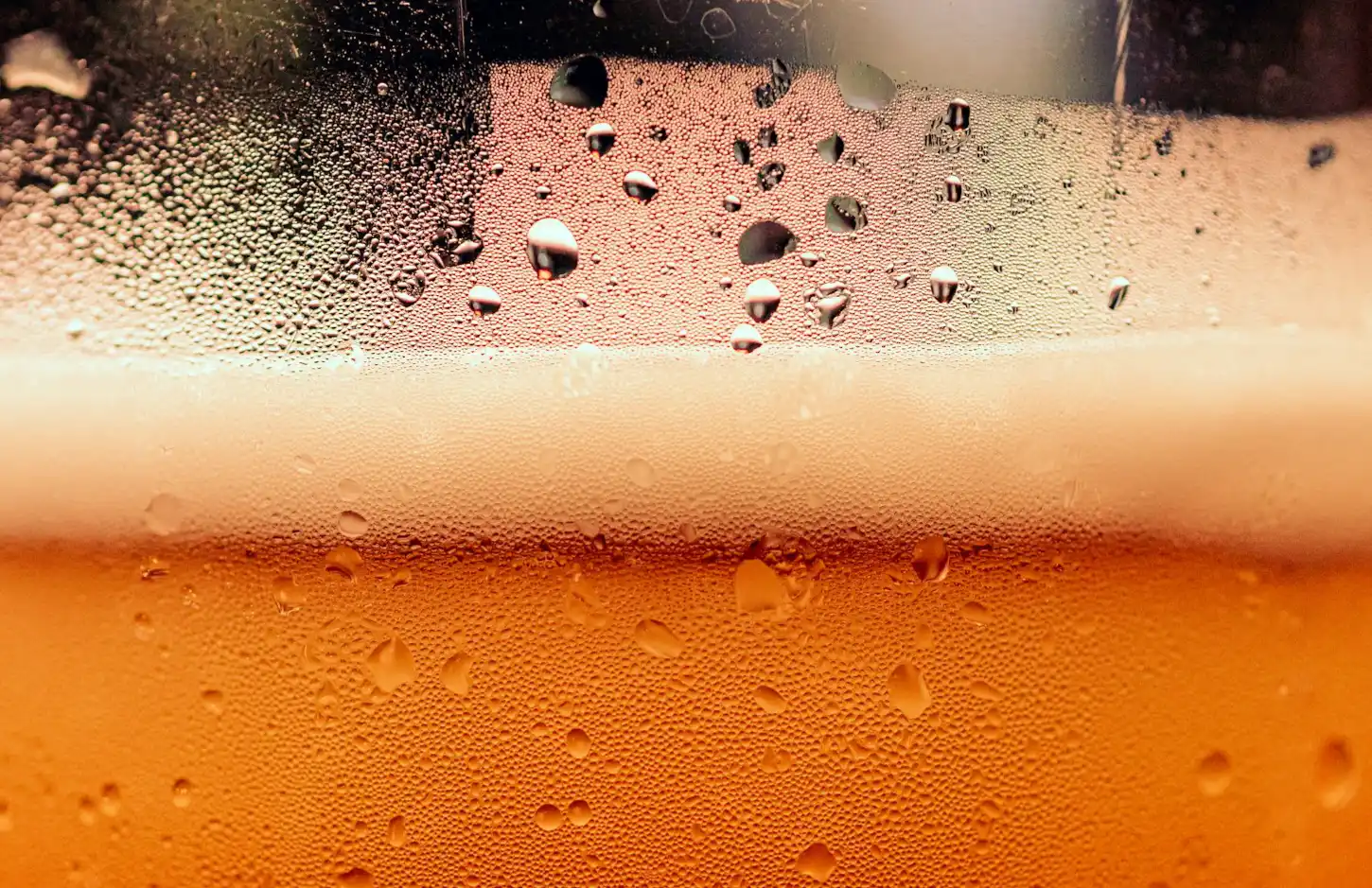
Beers are not read by color or alcohol level alone. Distinguishing between categories and styles helps explain what is happening in the glass, and why one beer may taste drier, more aromatic, softer, or more complex than another.
Fermentation, ingredients, and production methods shape the final result far more than the label does, and knowing how to read them makes the whole category clearer.
ale
The category of top-fermented beers includes styles that can be very different from one another, but they share one common trait: fermentation takes place at higher temperatures and tends to produce richer aromatic profiles. It is a broad family, ranging from lighter, easy-drinking beers to more complex and expressive ones.
What sets them apart is the intensity of both aroma and flavor. Fruit, spice, yeast notes, and in many cases a more pronounced structure than in bottom-fermented beers all play a role. That variety makes the category less uniform, but also more interesting to read as a group of styles rather than a single block. In the glass, it often means more personality and a wide range of expressions that can change from one region to another, or from one brewery to the next.
Fermentation happens at higher temperatures, with yeasts producing more noticeable esters and aromatic compounds, giving the beer a more expressive and recognizable profile.
Pale Ale
A broad, historic category that originated in England, brewed with pale malts and top fermentation. Pale ales are usually golden to light amber, medium-bodied, and balanced between malt and hops. They often show biscuit, floral, and moderately bitter notes. This family became the base for many modern styles, especially in the British and American traditions.
American Pale Ale
The American take on the Pale Ale, drier, more aromatic, and more hop-forward. It uses American hop varieties that bring citrus, resin, tropical fruit, and herbal notes. Malt is still present, but it stays in the background compared with the hop impact. It is a clear, direct style, often designed to showcase freshness and aromatic precision.
English Pale Ale
A classic British style, more restrained and less explosive than its American counterparts. The profile leans toward biscuit malt, light caramel, flowers, and dried fruit, with an elegant bitterness. Carbonation is often lower and the body medium. This is a beer built on balance and drinkability rather than impact.
India Pale Ale (IPA)
One of the most recognizable styles in modern craft beer. IPA began as a heavily hopped beer meant to survive long journeys, and today it covers a very wide range of expressions. The common thread is aromatic intensity, with notes of citrus, resin, tropical fruit, flowers, or spice. Bitterness is often prominent, but it varies greatly depending on the brewing tradition.
Double IPA / Imperial IPA
A stronger, fuller, and more concentrated version of the IPA, with a higher alcohol content, a richer body, and more hop intensity. The aroma is powerful, often showing tropical fruit, ripe citrus, resin, and sometimes sweet malt to support the structure. It is a bold style, made for drinkers who want density and depth.
Session IPA
An IPA designed for easy drinking without losing its hop character. It has a lower alcohol level, a lighter body, and less bitterness than a classic IPA. The aroma still focuses on citrus, fruit, and herbal notes, but in a more approachable frame. It is the style to choose when you want IPA character in a more agile form.
New England IPA
An American style known for its hazy appearance, soft mouthfeel, and very intense aroma. Compared with West Coast IPA, it reduces bitterness and pushes tropical fruit, ripe citrus, and fresh juice-like notes. The palate is often more velvety, with a profile designed to highlight hops without sharp edges. It is juicier than aggressive.
West Coast IPA
An American IPA style that is clear, dry, and sharply bitter. Here hops work through resin, grapefruit, pine, and punchy citrus, with a dry finish that cleans the palate. It is more linear and aggressive than New England IPA, built on aromatic precision and the tension between lean malt and firm bitterness.
Belgian Ale
A broad category of Belgian top-fermented beers with complex aromatic profiles. Yeast character is often central, bringing ripe fruit, spice, pepper, and sometimes a slight rustic edge. Malt supports the structure without dominating it, leaving space for fermentation character. It is a highly expressive family with many distinct interpretations.
Blonde Ale
A pale, delicate, and very approachable beer, balancing light malt with a restrained hop presence. The profile often shows bread, honey, grain, and easy freshness. It is often an entry-level style, made for drinkers looking for something simple but not bland. Its strength lies in clarity and drinkability.
Golden Ale
A golden beer, often brighter in profile than Blonde Ale. It tends to have a light to medium-light body, subtle grain, honey, and floral notes, with moderate bitterness. In many British versions it focuses on balance and smoothness, while modern interpretations can feel brighter and more fragrant. It is an immediate but carefully made style.
Brown Ale
A dark amber or brown beer centered on light roasted malts, hazelnut, biscuit, and caramel. Bitterness stays moderate and the medium body supports a round, often soft drinking experience. In some English versions elegance dominates, while American versions may add more hop presence. It is a style built on warm, comforting tones.
Amber Ale
A copper or amber-colored style where malt plays a more visible role than in pale beers. It can bring caramel, toasted bread, dried fruit, and a balanced hop presence. The structure is usually medium, with a steady and harmonious drinking experience. It sits between the freshness of pale ales and the roundness of darker beers.
Red Ale
A reddish beer with a profile shaped by caramel malt, toasted bread, and sometimes a light fruity note. Bitterness is usually not dominant, but it helps keep the beer balanced and clean. Some versions are drier, others softer and maltier. Color is part of the identity, but it is not enough on its own to define the style.
Scottish Ale
A traditional Scottish style known for its malty character, fuller body, and moderate hopping. The profile often leans toward caramel, bread, toffee, and restrained sweetness, with different strength levels within the family. Lighter versions stay modest, while stronger ones become deeper and warmer. It is a beer built on malt depth more than aromatic effects.
Irish Red Ale
A red beer of Irish origin, balanced and very easy to read. It shows light toasted malt, gentle caramel, and a dry finish with soft bitterness. Compared with other amber or red ales, it focuses on simplicity, clarity, and drinkability. The color is distinctive, but the palate remains measured and restrained.
Porter
A historic dark beer born in London, with a profile of roasted malt, light coffee, cocoa, and dark bread. Compared with stout, it is often softer and less aggressive in its roast character. Body can vary, but it is usually medium and highly drinkable. It is a style that combines depth with accessibility.
Stout
A family of dark beers built on intense roasted malts, with notes of coffee, bitter cocoa, burnt bread, and licorice. The structure changes a lot from one variant to another, but the common thread is a pronounced roasted malt character. Some stouts are dry and crisp, others softer or stronger. It is a broad style with a wide range of expressions.
Dry Stout
The dry version of stout, known for its crisp profile and sharp roast character. Coffee, bitter cocoa, and dark bread notes are clear, but the finish stays clean with little residual sweetness. The body is often medium-light, and the beer is easy to drink. It is an essential, precise style built on the contrast between roast and dryness.
Sweet Stout
A softer, rounder stout with residual sweetness that balances the roast. The profile can suggest cocoa, gentle coffee, caramel, and sometimes milk or biscuit. The body is fuller than in dry stout and the finish less sharp. It is a beer that favors softness and a creamier mouthfeel.
Milk Stout
A stout sweetened with lactose, a non-fermentable ingredient that adds roundness and sweetness. The profile combines roast, cocoa, coffee, and a smoother texture in the mouth. Compared with other stouts, it is less dry and more velvety. It is a style that works well on the contrast between roasted bitterness and milky sweetness.
Oatmeal Stout
A stout brewed with oats, which add a silkier and fuller texture. The aroma stays in the roasted range, with cocoa, coffee, and dark bread, but the mouthfeel is softer and more enveloping. Oats change not only the body but also the smoothness of the sip. It is a creamier, less edgy stout.
Imperial Stout
A stronger, richer, and more intense version of stout. Alcohol rises, and with it complexity, which may include bitter cocoa, coffee, dried fruit, molasses, licorice, and deep roast notes. The body is full, often almost liqueur-like. This is a beer for sipping, not for quick drinking.
Wheat Beer
A broad category of beers in which wheat plays a central role, making the body softer and the foam finer. The profile can range from very neutral to intensely aromatic, depending on the brewing tradition. Wheat beers often feel smoother and fresher in the mouth. They are styles that favor fluidity and lightness.
Witbier / Blanche
A Belgian wheat beer often brewed with spices such as coriander and orange peel. The result is fresh, lightly tart, and aromatic, with a soft body and a clean finish. Yeast and spices matter as much as malt, giving the style a very recognizable identity. It is a summer beer in structure and profile.
Hefeweizen
An unfiltered German wheat beer with yeast still in suspension. Its defining trait is the aroma, often showing banana, clove, bread, and fresh wheat notes. The body is soft, carbonation lively, and the beer very smooth to drink. This is a style where yeast shapes the entire sensory profile.
Dunkelweizen
The dark version of Hefeweizen, where wheat meets darker toasted and caramel malts. The classic banana and clove notes are joined by dark bread, hazelnut, and light caramel. The result is warmer and deeper, but still tied to the typical wheat yeast character. It is a fuller and more enveloping beer than the pale version.
Weizenbock
A stronger member of the wheat beer family, with higher alcohol and a richer structure. It combines the aromatic character of Hefeweizen with a fuller body and notes of ripe fruit, bread, caramel, and sometimes spice. It can be pale or dark, but always has a strong personality. This is a meditative beer, more complex and warming.
lager
Lagers are bottom-fermented beers, brewed with yeasts that work at lower temperatures than ales and then left to mature in cold storage. This process gives the beer a cleaner, more orderly, and more precise profile. In the glass, the result is a beer that keeps yeast character in the background and lets malt, hops, and overall balance come through more clearly.
Their typical traits are a crisp taste, high drinkability, and a structure that is often more linear. They can be light or full-bodied, pale or dark, dry or malty, but they always share a sense of clarity and definition. It is a category built on restraint rather than impact, and that is exactly why it covers such a wide range of styles.
Pilsner
A style born in Bohemia that became one of the most influential models in modern beer. Pilsner is pale, dry, and built around elegant bitterness, with notes of bread, grain, and floral or herbal hops. The result is precise and highly drinkable. It is a beer that works through balance between clean malt and assertive hops.
German Pils
The German take on Pilsner, drier and sharper than the Czech version. The profile is clean, with firm bitterness, floral and herbal notes, and a dry finish. The body remains light, but the structure feels more tense and linear. It is a lager that focuses on clarity and hop precision.
Czech Pils
The original Pilsner, with a softer and more malt-forward character than the German version. Saaz hops bring spicy, floral notes, but the malt base is rounder, with a slightly fuller body. The balance between cereal sweetness and bitterness defines the style. It is an elegant lager, but less dry than German Pils.
Helles
A Bavarian pale lager that is softer and more malt-forward than Pilsner. The profile leans toward fresh bread, grain, and restrained hopping, always in service of drinkability. The body is medium-light, and the finish is clean but less bitter. It may look simple, but the balance matters more than impact.
Dortmunder Export
A historic German style, fuller than Helles and less bitter than Pils. It has a solid structure, a clear malt presence, and enough hops to keep the finish dry. The result is a pale lager with more weight, made to be easy to drink without losing flavor depth. It sits between softness and strength.
Märzen
A traditional amber lager tied to cellar storage and the autumn season. The profile is malty, with notes of toasted bread, biscuit, light caramel, and a clean finish. Bitterness stays modest, leaving room for malt roundness. It is a warm, orderly beer closely linked to German brewing culture.
Oktoberfest
A name often used for Märzen served during Munich’s festival, although modern versions are often lighter and more drinkable. The profile still centers on malt, but with a smoother drinking pace and a less heavy body. Bread, biscuit, and gentle sweetness stay in the foreground. It is a lager made for a full glass and a long session.
Vienna Lager
An amber lager with a clean, lightly toasted character. The malt recalls bread, biscuit, light caramel, and a crust-like dryness rather than sweetness. The body is medium, and the finish remains balanced. It is an orderly style that often appears lighter in flavor than its color suggests.
Dunkel
A Bavarian dark lager centered on soft malt, dark bread, hazelnut, and light caramel. The roast is present but never aggressive, and the sip stays round and very readable. The finish is clean, with controlled sweetness. It is a beer that works through depth without losing restraint.
Schwarzbier
A very elegant German dark lager, deep in color but dry and clean on the palate. The notes suggest light coffee, bitter cocoa, dark bread, and a subtle roast that never becomes heavy. The body is medium-light and the drinkability high. It is a dark beer that aims for precision rather than weight.
Bock
A strong traditional German lager, richer and more malty than standard lager styles. The profile brings bread, caramel, dried fruit, and a warm, full sensation. Alcohol supports the body, but the malt remains the center of the beer. It is a style to sip slowly, with broader and denser structure.
Doppelbock
A stronger, more alcoholic version of Bock, with a fuller body and deeper malt profile. Bread, dark caramel, toffee, dried fruit, and sometimes a liqueur-like note shape the style. Bitterness stays low, serving balance rather than contrast. It is a rich lager made for slow drinking.
Maibock
A paler bock, traditionally linked to spring. Compared with classic Bock, it is brighter, drier, and often more hop-forward, while keeping a strong malt base. The profile combines bread, grain, and a cleaner, more agile finish. It is a strong lager, but with a lighter step.
American Lager
A highly popular U.S. style built to be light, clean, and easy to drink. The aroma is delicate, with restrained malt and little hop presence. The body is lean and carbonation often lively. It is a beer made for maximum drinkability rather than complexity.
Light Lager
An even lighter and more direct version of American Lager. It has low alcohol, a very slim body, and a neutral aroma. The priority is drinkability, not flavor intensity. It is an essential lager, built to feel fresh, simple, and straightforward.
Amber Lager
An amber lager that combines bottom-fermentation cleanliness with a more visible malt profile. It can show light caramel, toasted bread, and controlled sweetness, with moderate bitterness. The body is medium and the finish stays orderly. It is a style that sits between softness and precision.
Sour and Wild Beers
This category brings together beers with a more untamed and layered profile, where acidity, fermentation, and aging shape the final character as much as malt or hops do. Some styles rely on spontaneous fermentation, others on selected wild yeasts or bacteria, and many combine several techniques. The result is a family of beers that often tastes sharper, more complex, and less predictable than classic lager or ale styles.
The key difference lies in how that acidity is created. In some beers it comes from spontaneous fermentation, in others from cultured microorganisms, while in others it is part of a mixed process that develops over time in wood or in the bottle. These beers are not defined by a single flavor direction, but by tension, evolution, and a strong sense of place.
Lambic
A traditional Belgian beer from the Pajottenland region, made through spontaneous fermentation. The wort is exposed to the local microflora, which gives Lambic its distinctive wild character. It is usually flat, dry, and sharply acidic, with notes of citrus, hay, oak, and barnyard. Lambic is one of the clearest examples of how beer can be shaped by environment as much as by recipe.
Gueuze
A blend of young and aged Lambic, usually bottled for a second fermentation. The result is sparkling, dry, and layered, with acidity, funk, and a subtle cider-like sharpness. Gueuze combines freshness with depth, which makes it one of the most elegant expressions of wild fermentation. It is often considered the most refined face of Lambic tradition.
Fruit Lambic
Lambic brewed or aged with fruit, traditionally cherries, raspberries, or other local fruit. The fruit adds aroma, color, and often a brighter expression, but the base remains dry, acidic, and wild. A good Fruit Lambic does not hide the beer beneath the fruit; it uses the fruit to add another layer. The balance between fruit character and wild acidity defines the style.
Flanders Red Ale
A sour Flemish ale aged in oak, known for its deep red color and complex tartness. It often combines cherry-like acidity, light sweetness, wood, and a vinous character that can feel almost wine-like. The beer is usually blended from different ages, which adds depth and structure. It is one of the most food-friendly styles in the sour family.
Oud Bruin
A traditional Belgian brown sour ale, softer and rounder than Flanders Red Ale. The profile leans toward dark fruit, caramel, gentle acidity, and a mild woody note. It often feels less sharp and more mellow, with a brown malt base supporting the sour character. It is a quieter, more earthy expression of mixed fermentation.
Gose
A historic German style that combines acidity with a light saline edge and often coriander. The beer is usually pale, refreshing, and lightly tart, with a soft body and a clean finish. The salt does not make it savory in a heavy way; it sharpens the freshness and adds structure. It is one of the most distinctive sour styles because it balances sourness with salinity.
Berliner Weisse
A very pale, low-alcohol wheat beer with a sharp, refreshing acidity. The body is light, the carbonation is lively, and the flavor is clean but distinctly tart. Traditionally served young and often with flavored syrups, it is one of the most approachable sour styles. Its strength lies in its speed, brightness, and simplicity.
Sour Ale
A broad category for beers with noticeable acidity, without pointing to one single tradition. Sour ale can mean kettle sour versions, mixed fermentation beers, or more rustic expressions aged over time. The style range is wide, from bright and clean to deep and funky. What unites them is the presence of sourness as a deliberate part of the beer’s identity.
Wild Ale
A flexible category for beers fermented with wild yeasts and bacteria, often in mixed or spontaneous processes. Wild ales can be dry, fruity, funky, earthy, acidic, or all of these at once. Some are bottled young, others are aged in wood for added complexity. The common thread is unpredictability, which makes the style especially diverse and open-ended.
Special Beers
Special beers are styles that move beyond the most traditional categories. They are often defined by stronger intensity, unusual ingredients, higher alcohol, or maturation methods that change the final profile in depth. This is a broad group, but the common thread is clear: these beers are built to stand out, whether through structure, fermentation, or aging.
Their identity often comes from one extra layer of complexity. That can mean a bigger malt base, a more expressive yeast character, smoke, barrel influence, or a farmhouse approach that leaves room for rusticity. They are beers where technique matters as much as recipe.
Barleywine
A very strong, malt-driven beer with a rich, warming profile. Barleywine often shows dried fruit, caramel, toffee, bread crust, and sometimes oxidative or sherry-like notes when aged. The body is full and the alcohol is clearly present, but usually integrated into the structure. It is a beer built for slow drinking and long aging.
Imperial IPA
A stronger, more forceful version of IPA, with high alcohol and a dense hop load. The aroma can move through citrus, resin, tropical fruit, and ripe stone fruit, while the bitterness remains firm and persistent. Compared with a standard IPA, it has more weight, more intensity, and a broader finish. It is a style for drinkers who want power without losing hop clarity.
Imperial Stout
A dark beer with serious depth, high alcohol, and a heavy malt base. The profile often includes roasted coffee, cocoa, licorice, molasses, dried fruit, and sometimes smoky or vinous notes after aging. It can feel almost dessert-like, but with enough roast to keep it grounded. It is one of the most layered and age-worthy beer styles.
Smoke Beer / Rauchbier
A style in which the malt is smoked before brewing, giving the beer a distinct aroma of wood fire, cured meat, bacon, or campfire. The smoke can be subtle or very direct depending on the beer, but it always shapes the character strongly. The rest of the profile may be pale, amber, or dark, yet the smoky note remains central. It is a style that divides opinion but leaves a strong impression.
Baltic Porter
A strong dark lager that combines porter-like malt depth with lager cleanliness. It usually shows cocoa, coffee, dark caramel, dried fruit, and a smooth, cold-fermented structure. The body is full but the finish can feel cleaner than in many ales of similar strength. It is a polished, powerful beer with both richness and precision.
Belgian Tripel
A strong golden Belgian ale, dry on the palate despite its high alcohol. It often brings spicy yeast notes, light fruit, pepper, and a soft malt base that stays in the background. Carbonation is usually lively, which helps lift the alcohol and keep the beer bright. It is a style that feels refined, strong, and deceptively easy to drink.
Belgian Dubbel
A darker Belgian ale with a maltier and rounder profile than the Tripel. It often shows caramel, dried fruit, bread, and gentle spice, with the yeast adding depth rather than sharpness. The alcohol is present, but usually wrapped in a smooth, balanced structure. It is a warm and elegant beer, less bright than a Tripel but more grounded.
Quadrupel
A very strong Belgian-style beer, richer and deeper than a Dubbel. The profile often includes dark fruit, molasses, caramel, spice, and a noticeable alcohol warmth. It can feel dense and almost wine-like, especially when aged. It is a beer of concentration and length, built to be sipped slowly.
Saison
A farmhouse ale from Belgium, known for its dryness, lively carbonation, and spicy yeast character. The profile can include pepper, citrus, herbal notes, and a grainy, rustic malt base. It is often refreshing despite its complexity, with a finish that stays crisp and dry. Saison is one of the most versatile styles in the farmhouse tradition.
Farmhouse Ale
A broad category of rustic beers originally tied to rural brewing and seasonal farm work. The style can be dry, fruity, spicy, earthy, or slightly wild, depending on the brewer’s approach. What connects them is a sense of place and a less polished, more expressive fermentation character. It is a category that values texture and individuality.
Session Beer
A low-alcohol beer designed for extended drinking without fatigue. It can take the form of many styles, but the key idea is balance: enough flavor to stay interesting, but enough restraint to remain easy to drink. Bitterness, body, and alcohol are all kept in check. It is a practical style, but not necessarily a simple one.
Barrel-Aged Beer
A beer matured in wooden barrels, often previously used for wine, whisky, bourbon, or other spirits. The barrel contributes oak, vanilla, spice, oxidation, and sometimes boozy or vinous notes, depending on the liquid that was there before. Aging also softens or deepens the base beer, adding layers that were not present originally. It is less a single style than a method that changes the beer’s final identity.
Understanding a beer style means reading flavor, structure, and drinking occasion together. A beer is not chosen only because it is pale or dark, but for how it is built, its bitterness level, body, fermentation, and the kind of experience it offers in the glass. Style is what gives you a shared language to describe beers that can be very different from one another.
Categories help you move beyond appearances. A lager can be dry and sharp, or soft and malt-driven; an ale can be light and immediate, or complex and intense. Knowing these differences makes it easier to read labels, menus, and shelves without reducing everything to a simple pale-versus-dark split.
It also helps when choosing a beer for the moment. A heavily hopped beer can work well with rich or savory dishes, while a softer, maltier beer may suit rounder or spiced food better. Style is not just a technical label: it is a clue to how the beer will behave at the table and what kind of drinking experience it will offer.
Knowing categories and styles helps you read the market more clearly and drink more consciously. It means understanding why two beers that look similar can feel completely different, and why the same style can vary a lot from one producer to another. It is a simple way to choose with more precision and less guesswork.
frequently asked questions
What distinguishes a lager from an ale?
The difference is mainly in fermentation. Lagers use bottom fermentation and cold maturation, while ales ferment at warmer temperatures and tend to develop more intense aromas.
Are beers divided only into pale and dark?
No. Color, fermentation, hops, malt, and yeast all tell different stories. Two beers of the same color can have very different profiles.
What is a Pilsner?
It is a pale lager that is dry, well hopped, and very drinkable. It is one of the most influential styles in modern beer.
What is the difference between an IPA and a Pale Ale?
A Pale Ale is usually more balanced, while an IPA pushes harder on hops, aroma, and often bitterness as well. An IPA is more intense and more characterful.
What makes sour and wild beers special?
Their acidity. In these styles, the profile can come from spontaneous fermentation, wild yeasts, bacteria, or barrel aging, often with results that are more complex and less predictable.
What is a stout?
It is a dark beer with roasted malts, notes of coffee, cocoa, and dark bread. There are many variants, from dry stout to imperial stout, with different levels of body and intensity.
What is meant by a special beer?
These are styles that move beyond the more traditional categories. They may have higher alcohol, unusual ingredients, smoke, complex fermentation, or barrel aging.
How can I choose a beer more consciously?
Start with the style, not just the color. Look at fermentation, bitterness, body, aromas, and the occasion for drinking, and you will know better what to expect in the glass.
Why is it useful to know beer styles when reading the market?
Because it helps you read labels, menus, and shelves more accurately. It also makes it easier to understand the differences between producers, traditions, and interpretations of the same style.
What do all these styles have in common?
That beer is not a single category. Each style has its own logic and describes a different balance between ingredients, technique, and final result.