
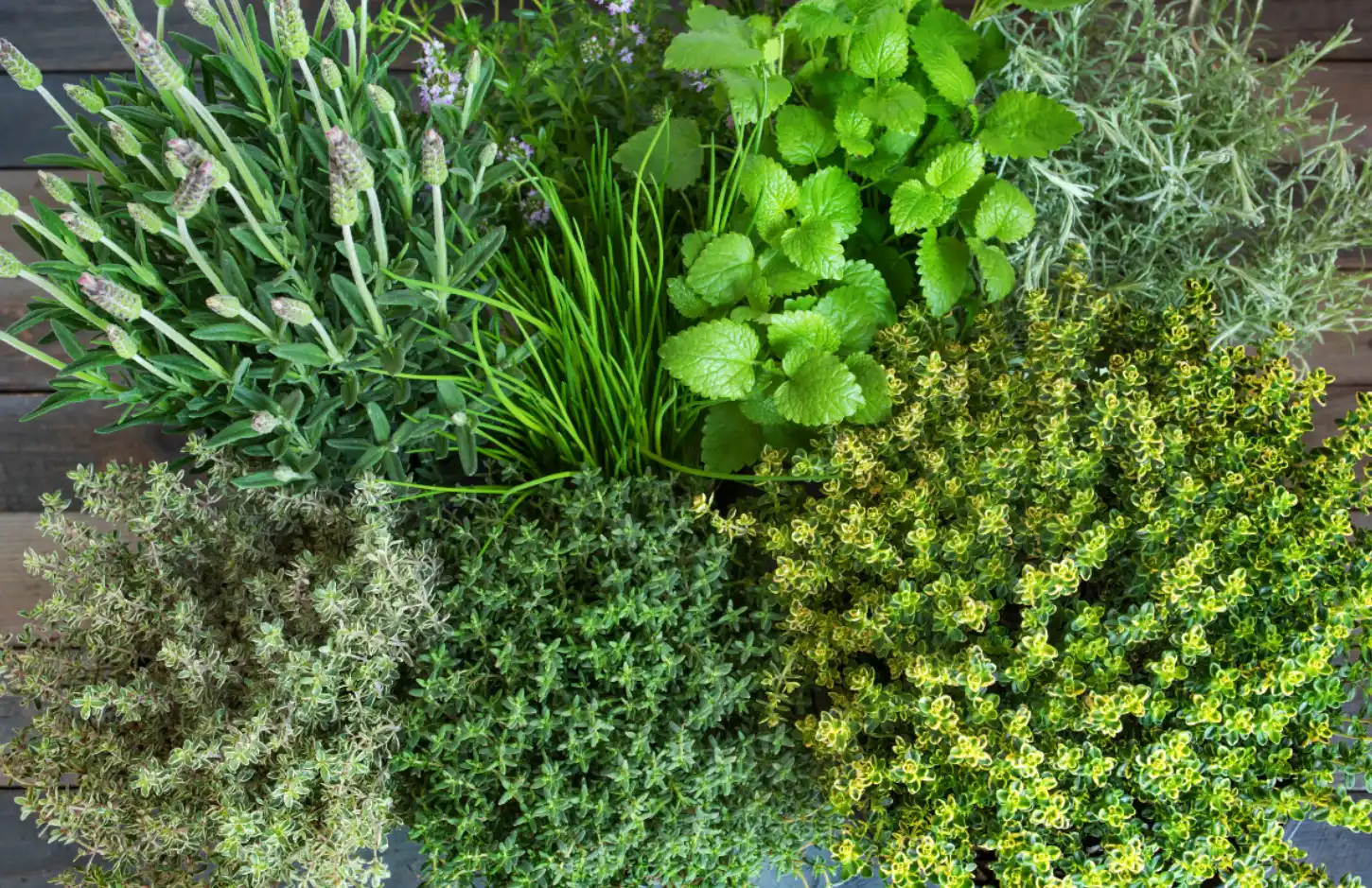
The Mediterranean area is defined less by political borders than by climate. Hot, dry summers, milder winters, strong light, and vegetation adapted to limited water have created a shared landscape across very different shores of the sea.
It includes countries such as Italy, Spain, Greece, southern France, Portugal, Croatia, Slovenia, Albania, Montenegro, as well as Morocco, Algeria, Tunisia, Libya, Egypt, Turkey, and part of the Levant.
It is a vast region, yet its food culture keeps coming back to the same set of signs: olive oil, vegetables, fish, grains, legumes, and above all aromatic herbs. Rosemary, thyme, oregano, sage, basil, bay leaf, and parsley are not just there for flavor. They reflect a way of cooking built on restraint, seasonality, and a close link between land and plate. In this cuisine, herbs are an ingredient, not a finishing touch.
They are often used fresh, raw, or in short cooking, but they also support slow-roasted dishes, broths, and stews.
Rosemary
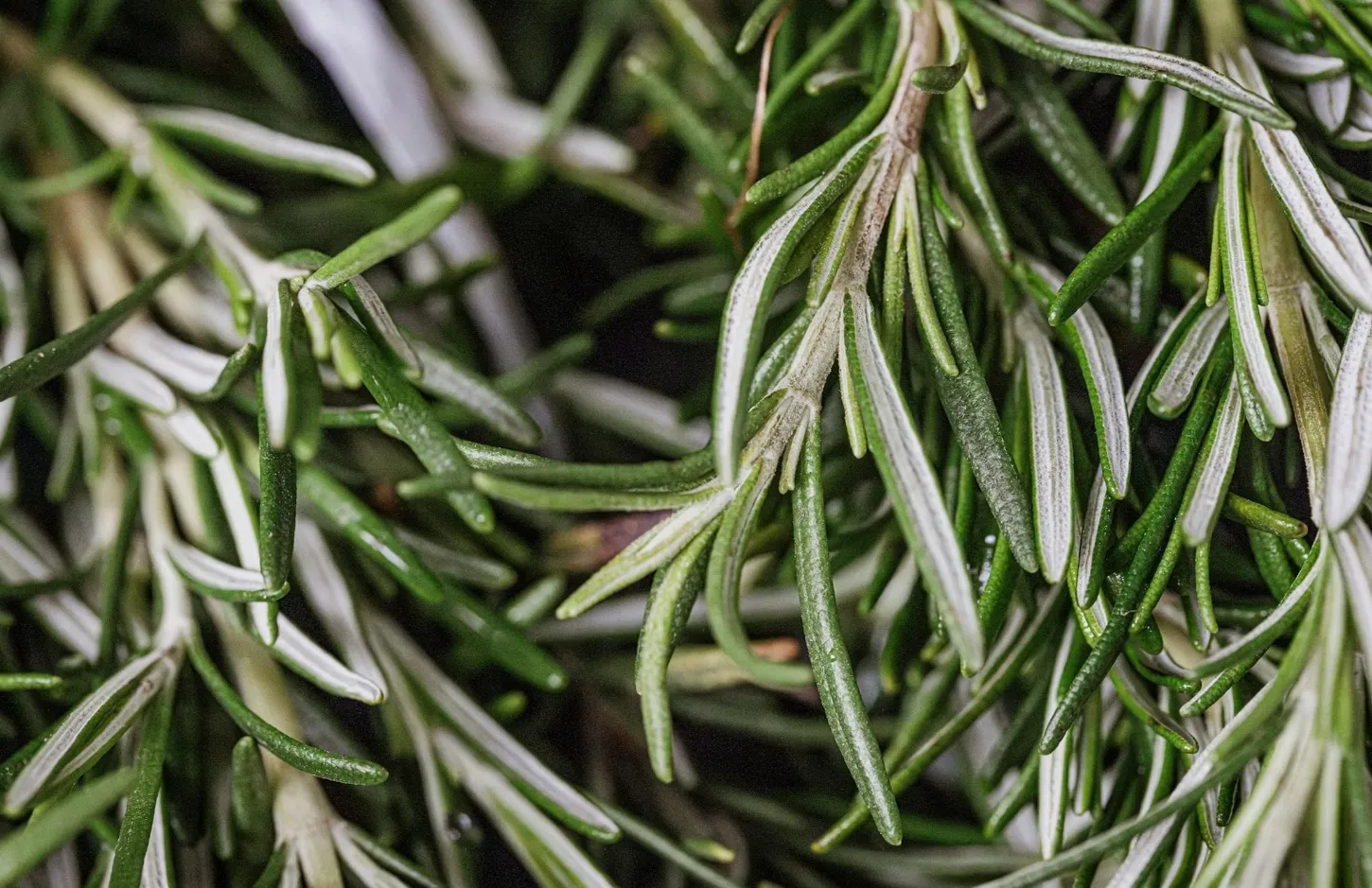
Rosemary is a hardy perennial plant, native to the Mediterranean basin and naturally suited to dry, sunny conditions. It grows best in poor, well-drained soils and has spread widely across southern Europe and beyond thanks to its resistance and adaptability.
Used for centuries in Mediterranean cooking, rosemary moved from home gardens and wild slopes into everyday kitchens, where it became one of the region’s most recognizable herbs. Its aroma is resinous and balsamic, with a clean, persistent flavor and a slightly woody edge.
In the kitchen, rosemary is one of the most versatile herbs in the Mediterranean pantry. It can be added whole to roasts and braises, chopped finely into marinades, or infused into oil, butter, and stocks.
It works particularly well with dishes that need time in the oven or on the stove, because heat softens its sharpness while keeping its aromatic backbone intact.
It can also be used with bread dough, focaccia, potato dishes, and legumes, where it brings depth rather than brightness.
Sage
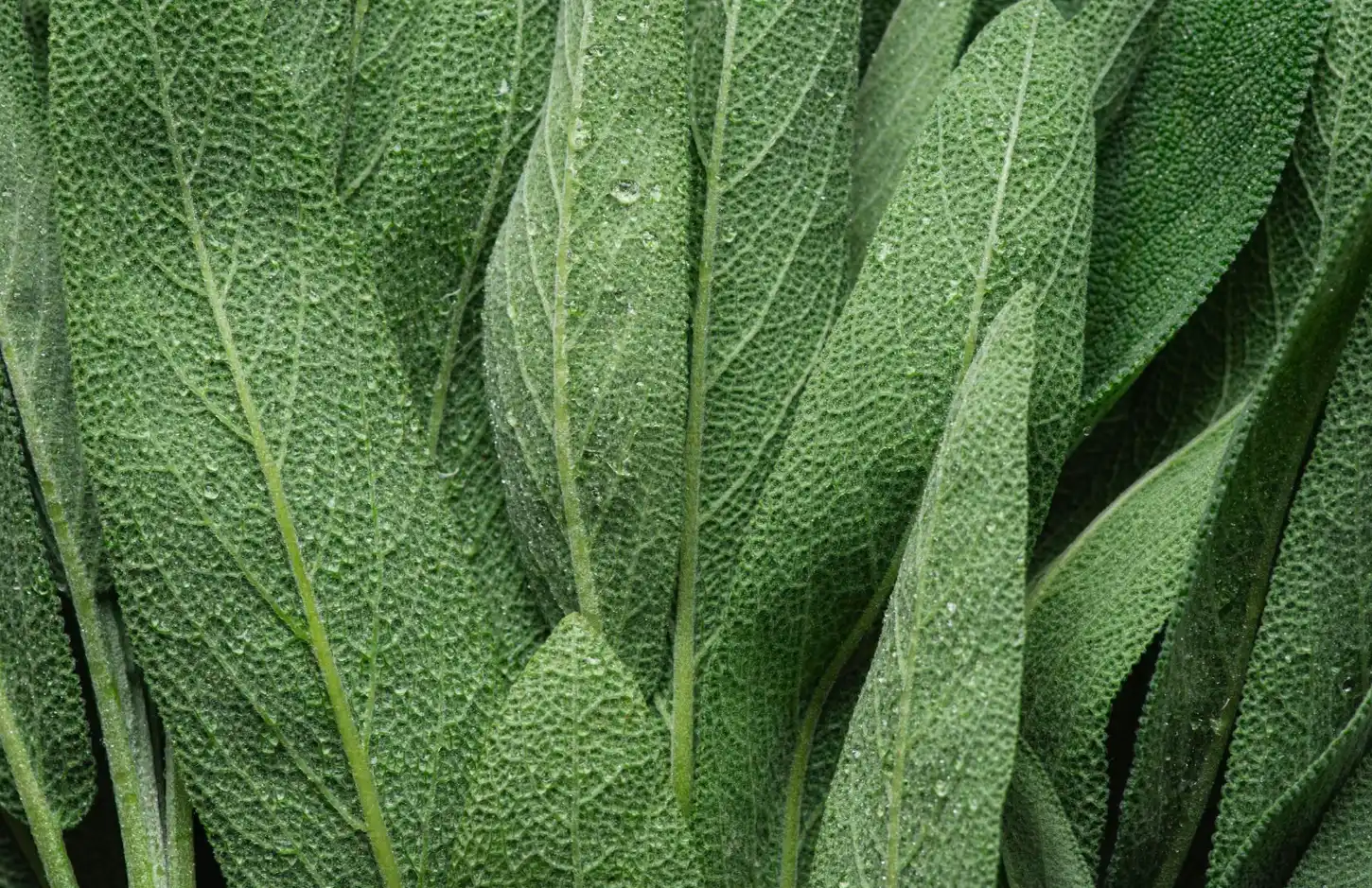
Sage is a perennial plant native to the Mediterranean area, where it has long been grown in home gardens and aromatic plots. It thrives in full sun and dry conditions, while stagnant humidity can weaken it quickly, so it is usually planted in well-drained soil.
For centuries, sage has been part of Mediterranean cooking, moving from kitchen gardens into regional traditions where its strong character made it a natural match for richer dishes. Its aroma is dry, sharp, and slightly camphor-like, while the flavor is direct, gently bitter, and balsamic.
In the kitchen, sage works especially well with butter, fresh pasta, fatty meats, legumes, and stuffings. It has a marked personality, so it needs to be used with care: a small amount is often enough to shape the whole dish. Heat softens its edges, but its identity remains clear.
It pairs particularly well with butter, pumpkin, veal, pork, ricotta, and fresh cheeses.
Thyme
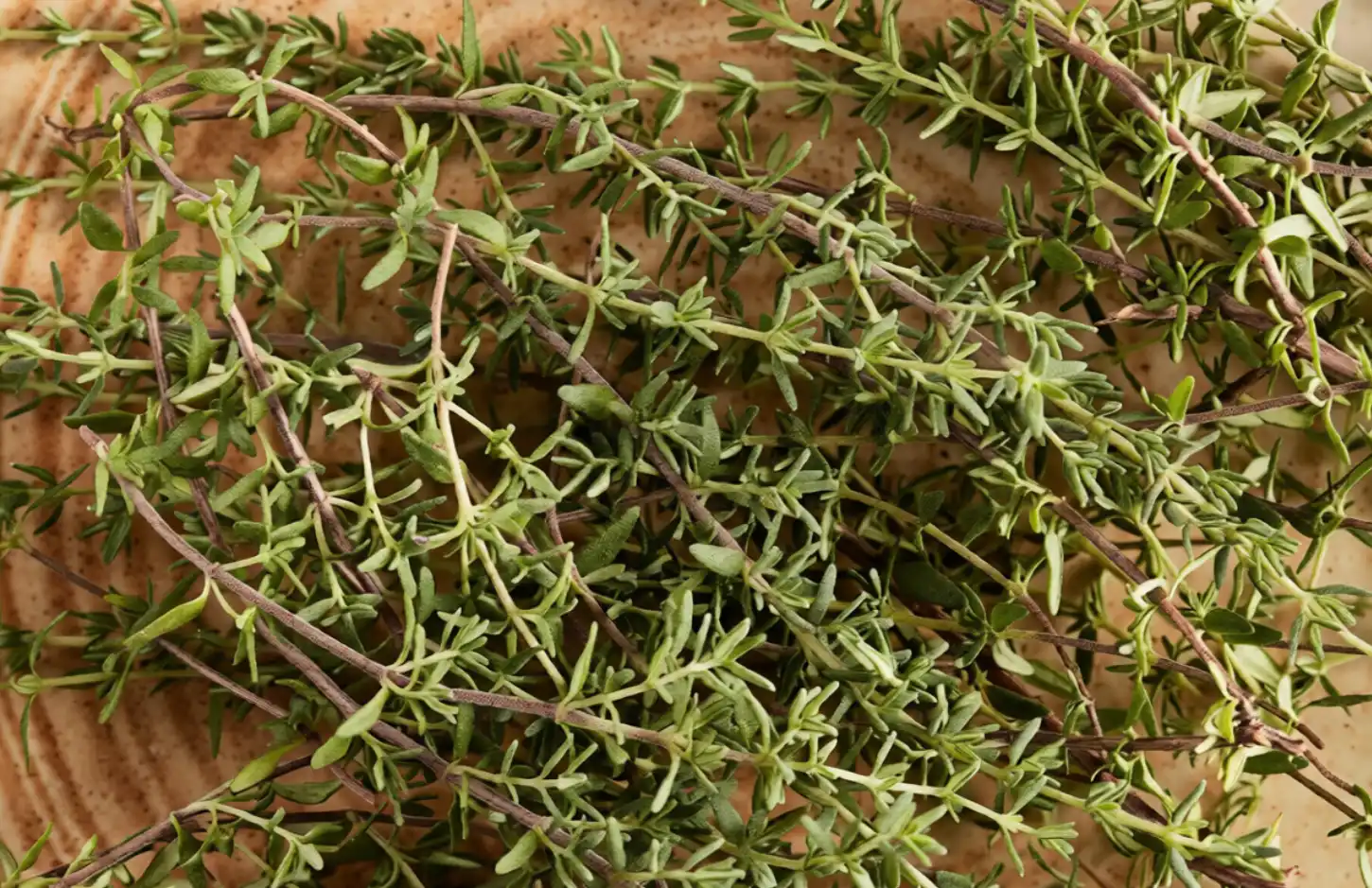
Thyme is a low, hardy shrub that grows wild in many Mediterranean areas and is also widely cultivated in gardens and pots.
It handles heat and drought very well, which is why it is so common in dry, sunny places where many other herbs struggle. Its resilience is part of its identity: thyme is a small plant, but it holds its place with ease.
Its aroma is warm, dry, slightly floral, and distinctly herbal. The flavor is clean and persistent, with a subtle depth that stays present without becoming heavy. It is one of those herbs that can make a dish taste more complete without drawing too much attention to itself.
In the kitchen, thyme is useful with vegetables, fish, chicken, soups, sauces, and oven-baked dishes.
It works well in both simple and more layered recipes, especially when the cooking needs time to draw out its aroma. It can be used fresh or dried, and in both forms it remains reliable.
It pairs well with tomato, potatoes, mushrooms, white fish, lamb, and citrus.
Oregano
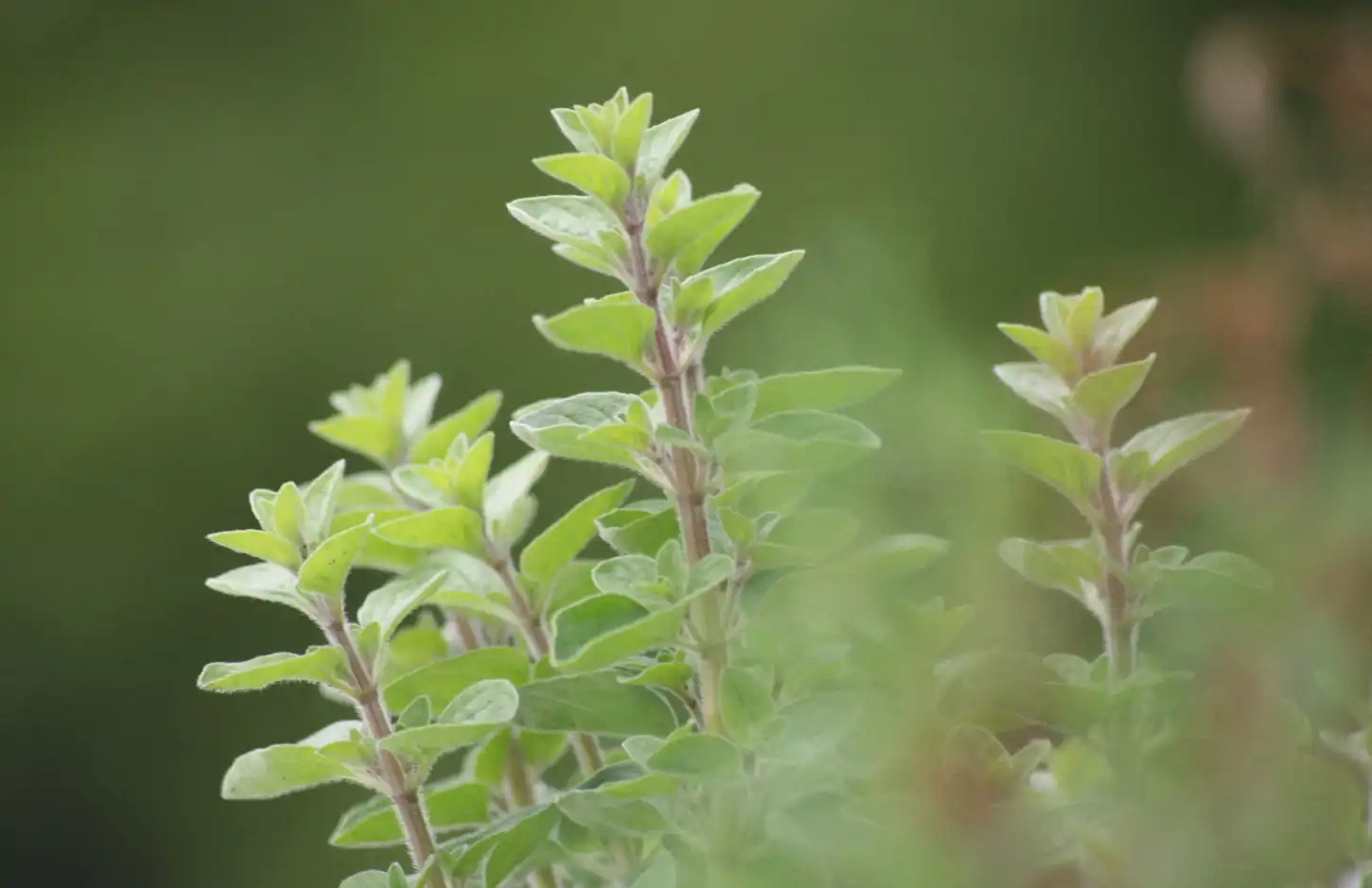
Oregano is a wild and cultivated herb found across many parts of the Mediterranean, especially in dry, sunny areas where it grows with little effort. It is one of the most familiar herbs in southern cooking, closely tied to a practical, everyday idea of Mediterranean flavor.
In gardens and on rocky slopes alike, it keeps the same direct, unpretentious character.
Its aroma is pungent, warm, and slightly peppery when dried, with a flavor that comes through quickly and leaves a clear mark. Fresh oregano is softer, but once dried it becomes sharper and more concentrated, which is why it is often the version chosen in traditional cooking. It does not aim for subtlety: oregano works because it is immediate and recognisable.
In the kitchen, it is used on pizza, with tomato sauces, in salads, over grilled meats, and with roasted vegetables. It is especially effective when sprinkled at the end, or used in recipes that benefit from a strong herbal note.
Dried oregano is usually more intense than fresh, so a small amount is often enough. It is one of those herbs that can define a dish in a single gesture.
It pairs naturally with tomato, mozzarella, eggplant, potatoes, olives, and oily fish.
Basil
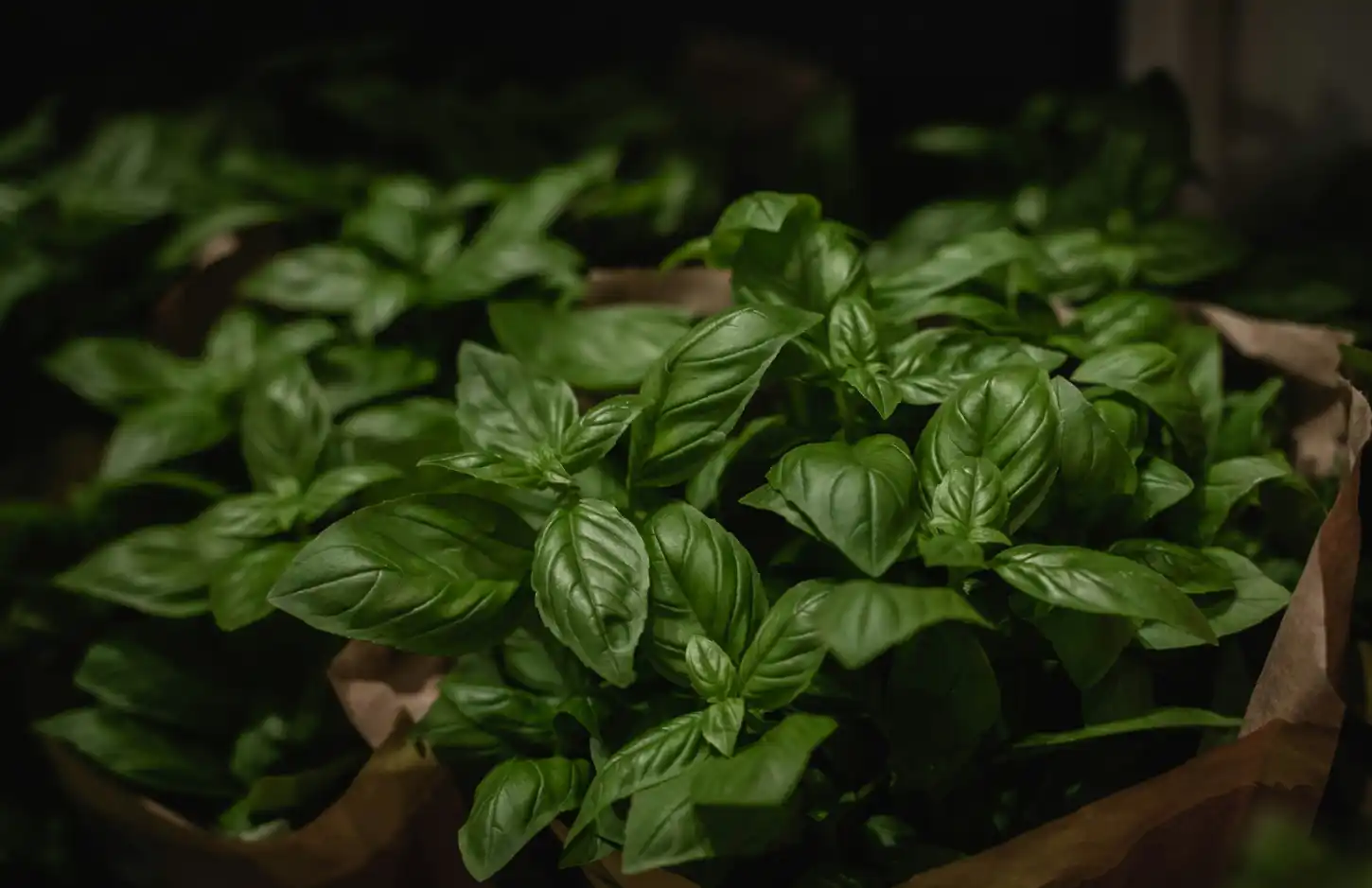
Basil is an annual plant widely grown in gardens, kitchen plots, and even on balconies.
It is sensitive to cold and prefers warm, mild conditions, which explains why it thrives so well across the Mediterranean climate, especially in Italy, where it has become one of the most familiar herbs in everyday cooking.
Its presence feels domestic and seasonal at the same time: easy to grow, but also fragile enough to need attention.
Its aroma is fresh, sweet, and green, with an herbal quality that can turn slightly peppery in younger leaves and more rounded in mature ones.
Basil is one of the clearest examples of an herb whose scent is inseparable from the idea of summer cooking.
It does not need much to stand out, because its fragrance is immediate and recognizable as soon as the leaves are bruised or torn.
In the kitchen, basil is usually used raw or added at the very end of cooking. Heat can flatten its perfume, so it works best in sauces, salads, pesto, and tomato-based dishes where its freshness can stay intact.
It is one of those herbs that changes the tone of a plate without asking for much space: a few leaves can be enough to bring a dish into focus.
It pairs naturally with tomato, mozzarella, pasta, fish, summer fruit, and extra-virgin olive oil.
parsley
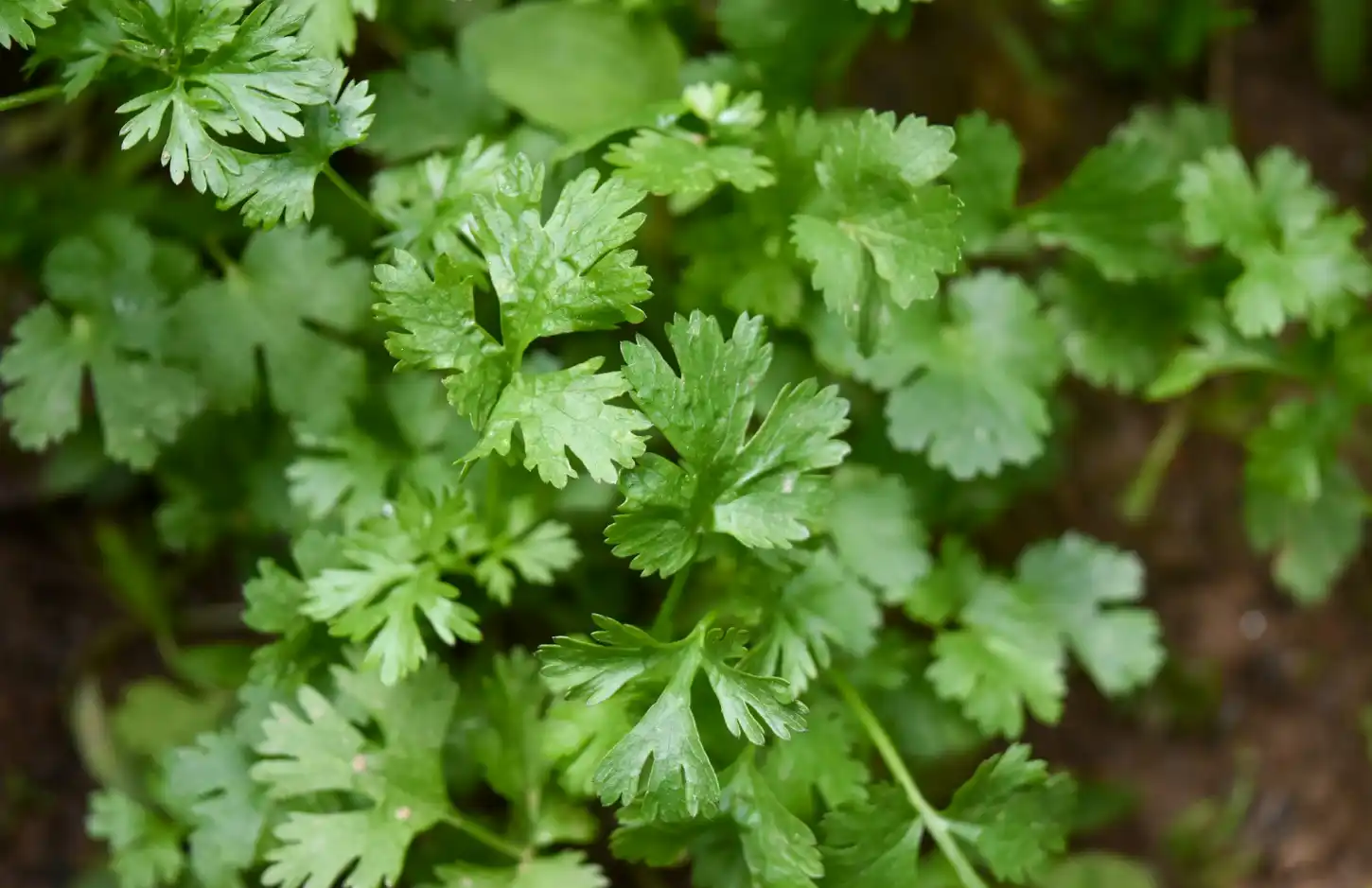
Parsley is a biennial herb widely grown and found across Mediterranean Europe. It is present in gardens and markets for much of the year, which makes it one of the most familiar and reliable herbs in the region.
It grows easily in temperate conditions and adapts well to everyday kitchen use, whether in small home plots or in larger production.
Its aroma is green, clean, and fresh, with a lightly bitter edge that gives it a firm but discreet identity. The flavor is subtle at first, but it becomes more incisive when used well, especially when added at the right moment and not overcooked.
Parsley is one of those herbs that does not seek attention, yet it sharpens the overall profile of a dish with very little effort.
In the kitchen, parsley is one of the most versatile herbs in Mediterranean cooking. It works as a finishing herb, but also in sauces, soffritti, salads, meat dishes, fish, and vegetable preparations.
It is often used to brighten a recipe, balance richer flavors, or add a fresh green note at the end. When chopped finely, it can become part of the base of a dish rather than just a garnish.
It pairs especially well with garlic, lemon, mussels, potatoes, eggs, and vegetables.
Laurel
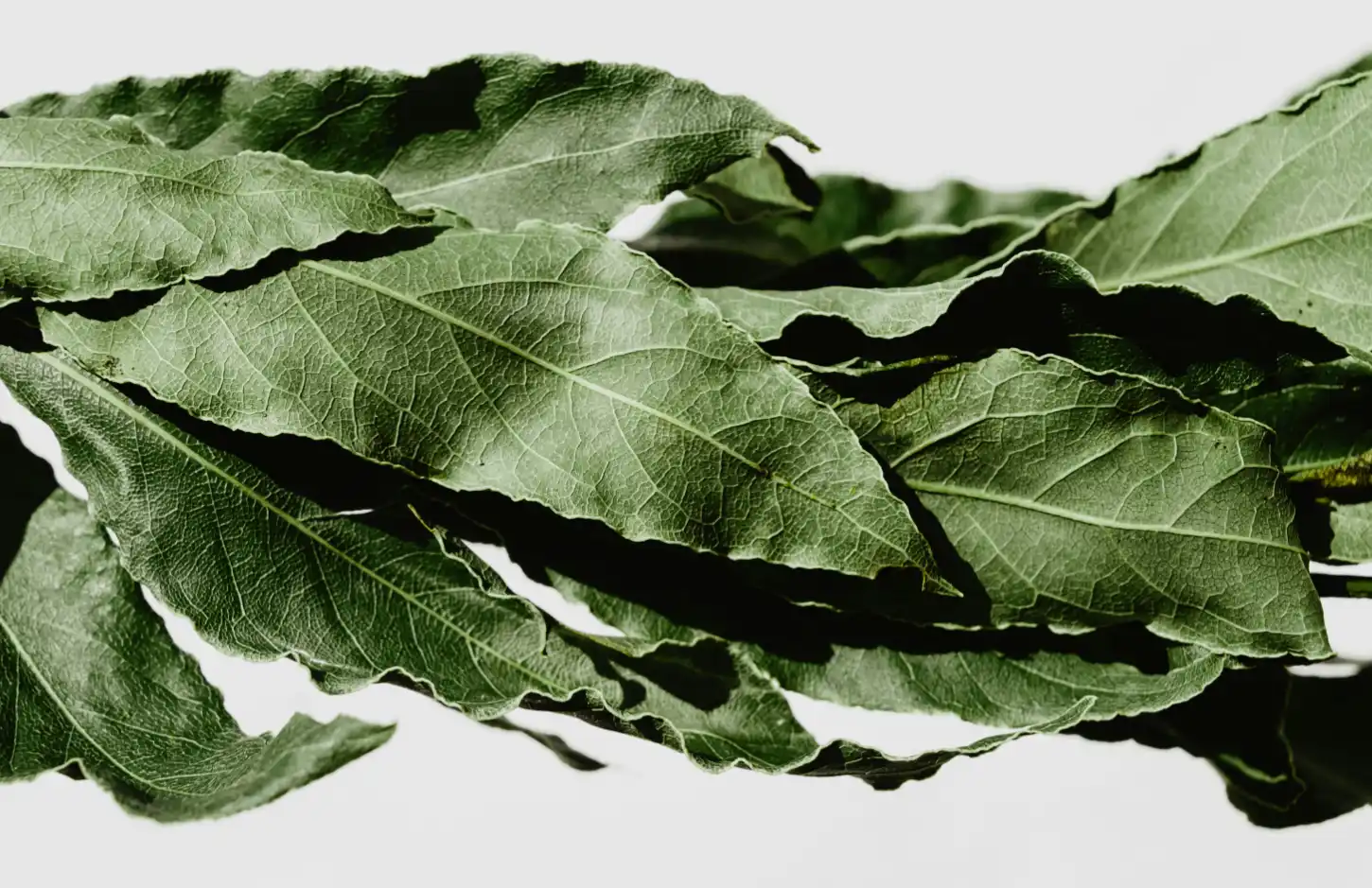
Laurel is an evergreen shrub typical of the Mediterranean area, found both in cultivation and in spontaneous growth along many coastal regions.
It is a resilient plant, well adapted to mild climates, and for this reason it has long been part of the everyday landscape of kitchens, gardens, and hedgerows around the Mediterranean basin. Its presence is discreet, but constant, which fits the role it plays in cooking.
Its aroma is dry, deep, woody, and distinctly herbal. The flavor is broad rather than sharp, present but not invasive, which is why laurel works best when it supports other ingredients instead of trying to dominate them.
Even a single leaf can change the tone of a dish, adding depth and length without adding weight.
In the kitchen, laurel is used in broths, stews, legumes, marinades, and preserves. It is almost always used by infusion, because direct chewing or overuse can make its character too harsh.
During cooking, it releases a slow, rounded aromatic note that helps connect the different elements of a dish and gives structure to long-cooked preparations.
It pairs especially well with beans, lentils, braised meat, fish, potatoes, and mushrooms.
Marjoram
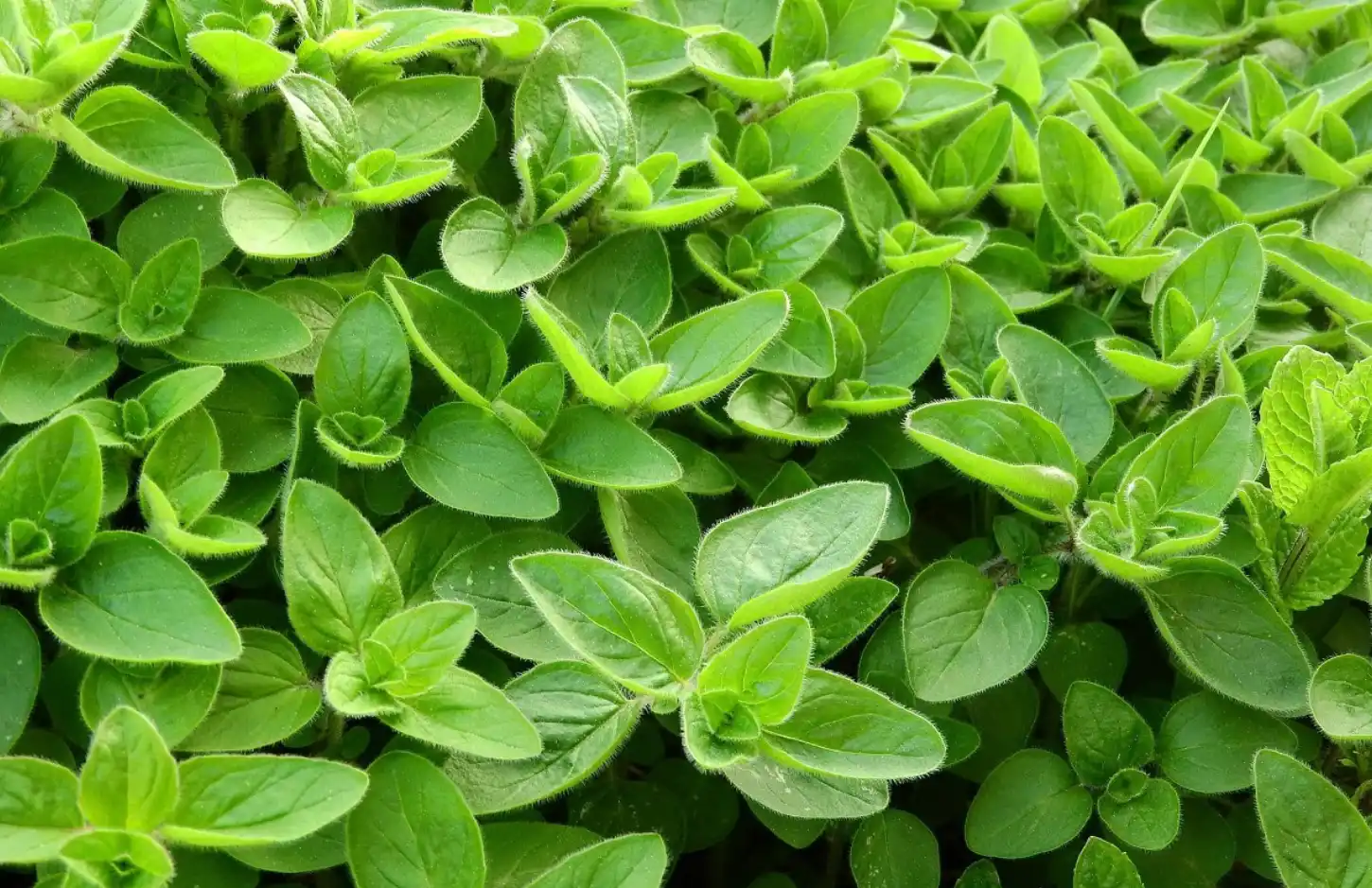
Marjoram is a delicate aromatic plant often grown in Mediterranean kitchen gardens, but it is less hardy than thyme or rosemary.
It loves sun and warm conditions, yet it does not handle strong cold very well, so it is usually treated as a more fragile herb that needs a bit more care.
Its aroma is soft, sweet, and slightly floral, with a gentler profile than oregano. The flavor is subtle but distinct, and that balance is part of its value in cooking. It does not overwhelm a dish; instead, it adds a rounded herbal note that feels light and refined.
In the kitchen, marjoram works well with vegetables, eggs, white meats, soups, and light sauces. It is particularly useful when a recipe needs aroma without heaviness, because it blends in smoothly and lifts the overall flavor without taking over.
It is one of those herbs that can make simple food feel more complete.
It pairs especially well with potatoes, zucchini, poultry, legumes, mushrooms, and fresh cheeses.
summer savory
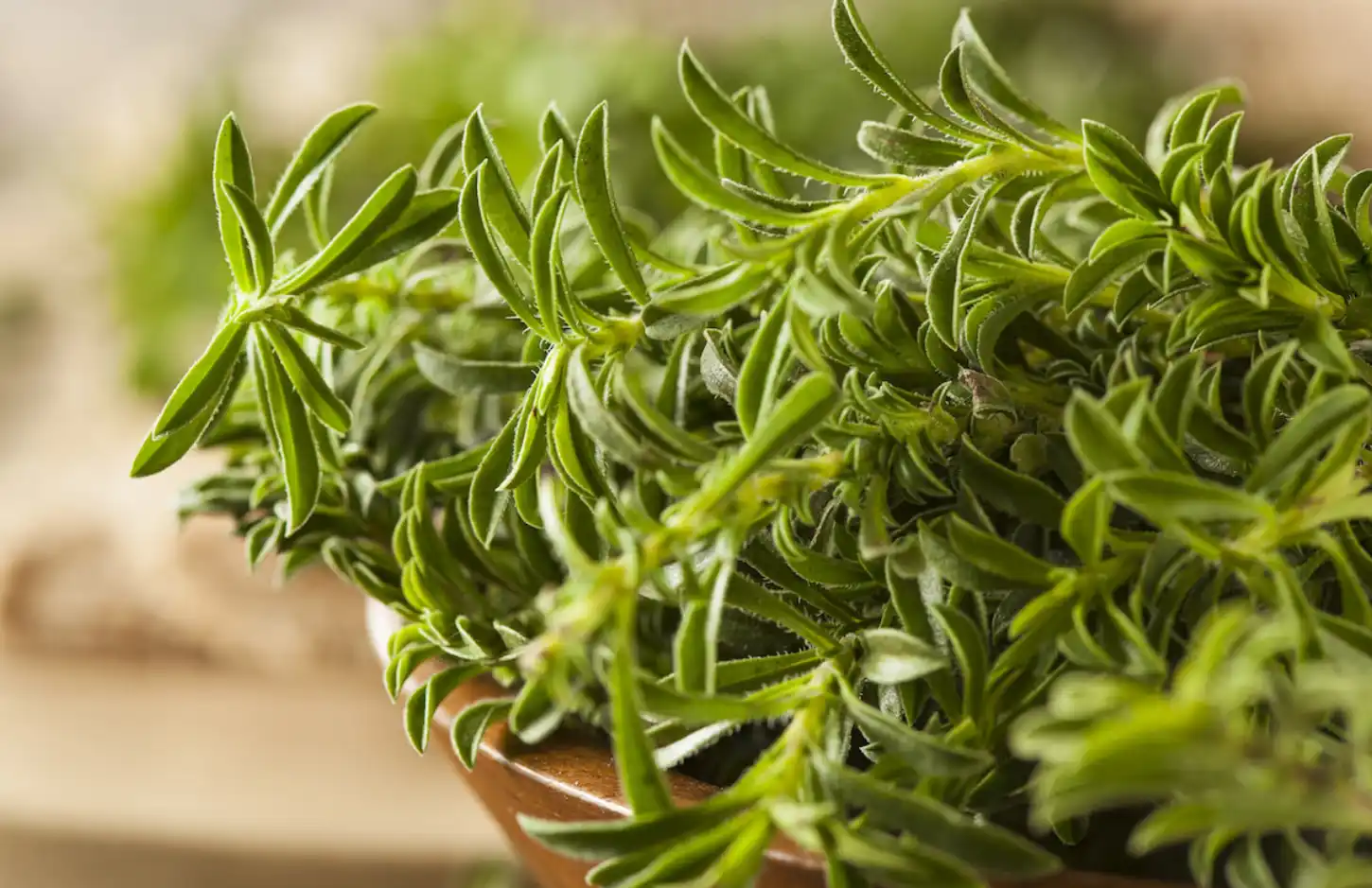
The plant is usually annual in the main culinary species, with a short cycle and a natural habitat in the warm temperate zones of the Mediterranean and southeastern Europe.
It grows in sunny places, often in gardens and small-scale cultivation, where it is less common than more familiar herbs but still rooted in local cooking traditions.
The flavor is dry, peppery, and slightly resinous, with a profile that recalls thyme but feels sharper and more austere.
The aroma is clean, green, and faintly pungent. In the kitchen, it works best with legumes, meats, soups, and rustic dishes, especially beans, lentils, sausages, cabbage, and potatoes.
Chives
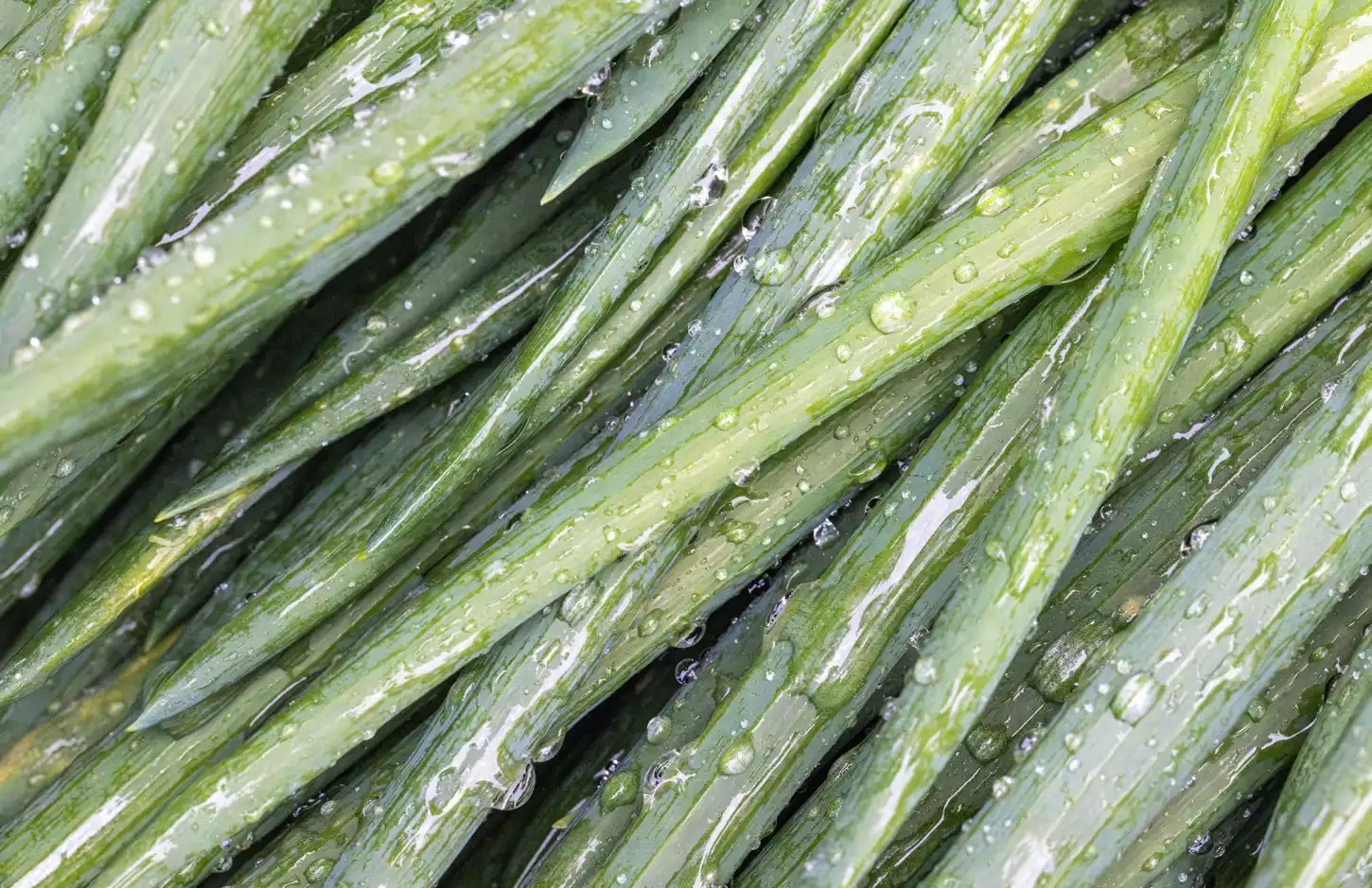
Chives is a perennial bulbous herb, easy to grow in a pot or in the garden, and widely used across European cooking even if it is not as tightly tied to the Mediterranean as basil or oregano.
Its aroma is soft and clean, with a fresh onion note that never feels heavy.
The flavor is gentler and greener than raw onion, giving a short, bright lift rather than a sharp bite. That is why it is usually used raw, finely chopped over eggs, potatoes, cheeses, salads, and sauces.
It works especially well with yogurt, eggs, salmon, potatoes, ricotta, and butter, where it adds freshness and balances richness without taking over.
In the kitchen, it is more a finishing herb than a cooking herb, because heat quickly flattens its fragrance.
Lavender
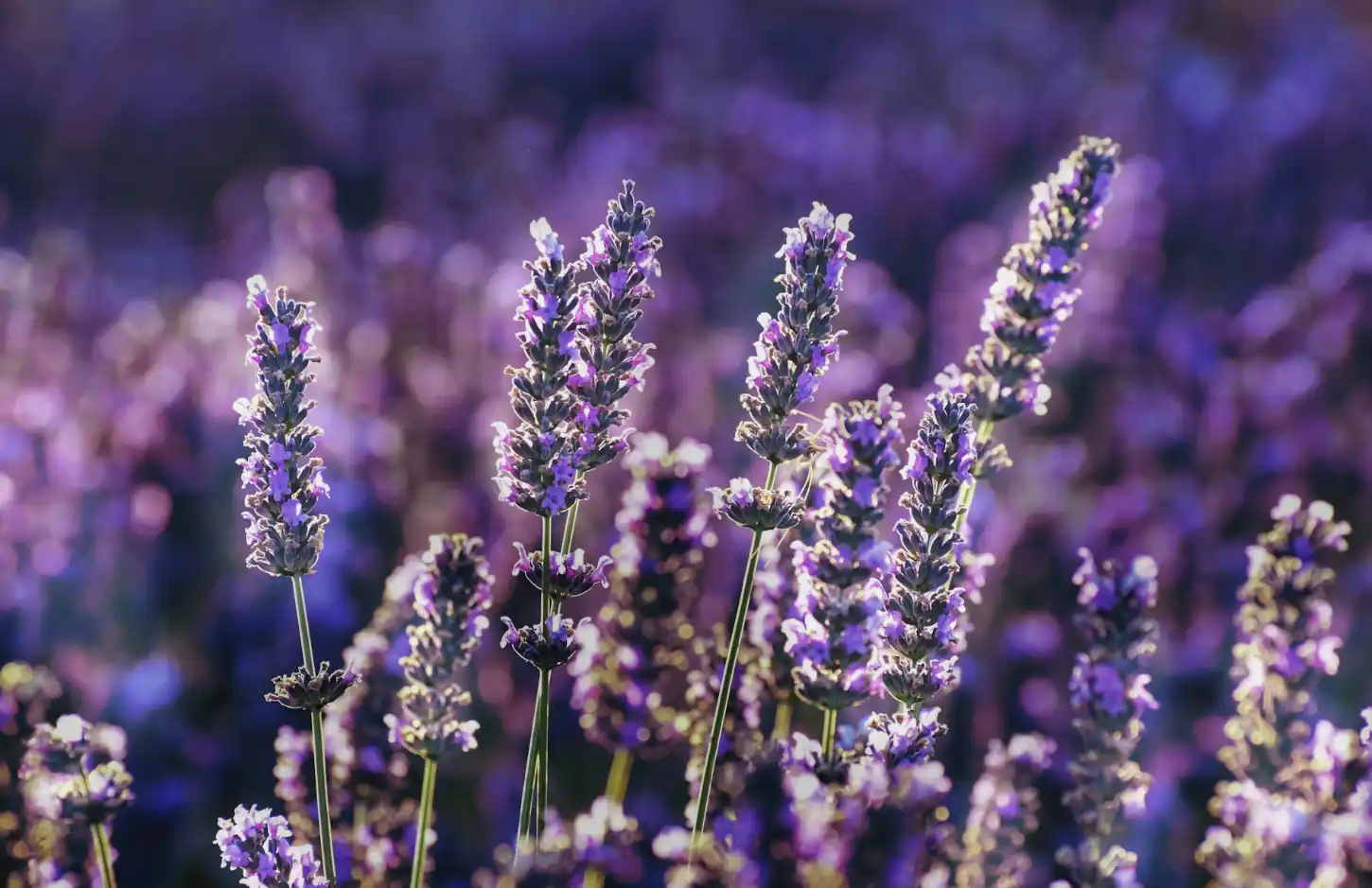
Lavender is a Mediterranean plant by nature, found both wild and in cultivation in dry, sunny, hillside areas.
It is also widely grown as an ornamental herb, which has helped it move from the garden into the kitchen.
Its aroma is floral, intense, and very clean; the flavor is equally marked, so it needs to be used with restraint. In cooking, lavender appears in desserts, infusions, honey, aromatic salts, and a few creative savory dishes.
It pairs well with honey, citrus, red berries, chocolate, and lamb, but only in very small amounts, where it adds lift without turning perfumed.
Lemon balm
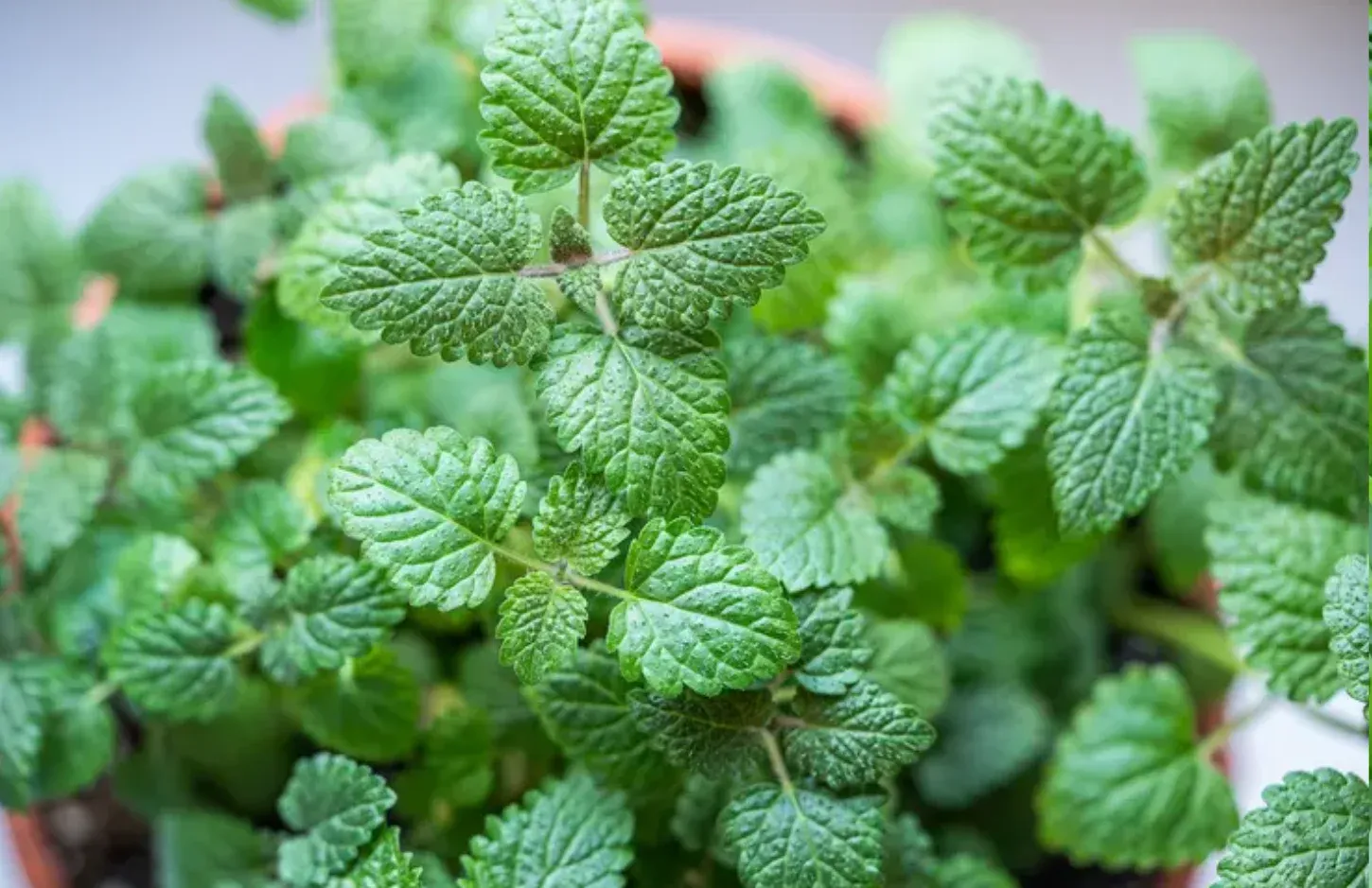
Lemon balm is a perennial herb that is easy to grow and common across temperate and Mediterranean areas.
It prefers partial shade and fresh, well-drained soil, so it is often more reliable in quiet garden corners than in exposed, dry spots.
Its aroma is soft, citrusy, and rounded, with notes that sit somewhere between lemon and mint.
The flavor follows the same line: gentle, clean, and refreshing, never sharp. In the kitchen, lemon balm is usually used in infusions, salads, desserts, and light dishes. It pairs well with fish, fruit, citrus, yogurt, salads, and herbal teas, where it adds brightness without the sharper edge of mint or lemon zest.
terragon
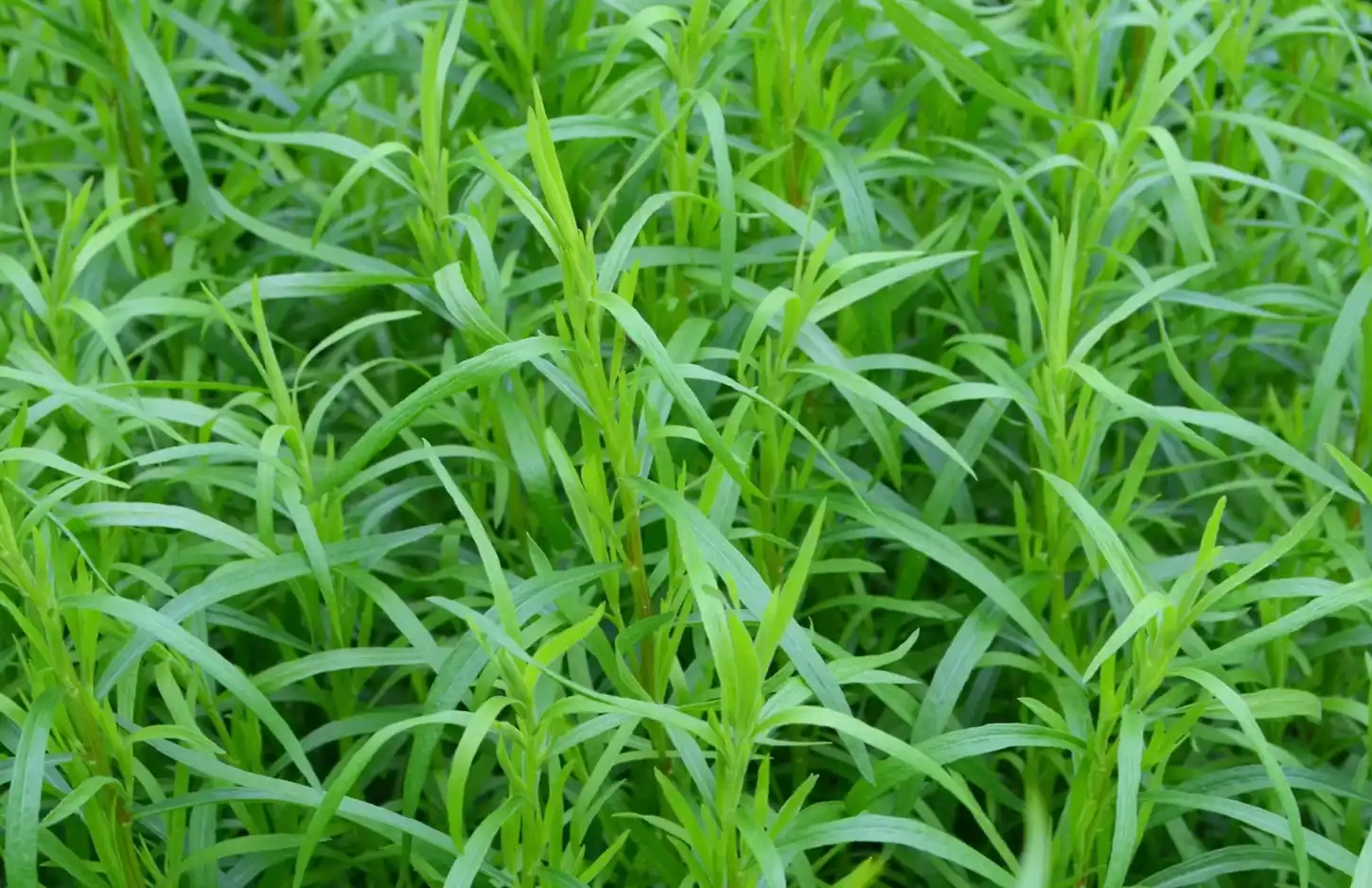
Tarragon is a perennial aromatic herb, cultivated mainly in temperate climates and more present in European culinary tradition than in spontaneous Mediterranean flora.
It needs light, but it does not like dry, overheated conditions, so it performs best with a steadier balance than many sun-loving herbs. Its aroma is anisic, elegant, and slightly bitter; the flavor is fine, distinct, and quietly persistent.
In cooking, tarragon is used with eggs, chicken, sauces, flavored vinegars, and delicate preparations that need definition rather than force.
It pairs naturally with chicken, eggs, mustard, white fish, butter, and vinaigrettes, where it adds lift and a clear herbal line without overpowering the dish.